

John F. Barnes Myofascial Release Approach® (MFR)
Myofascial Release
what is myofascial release?
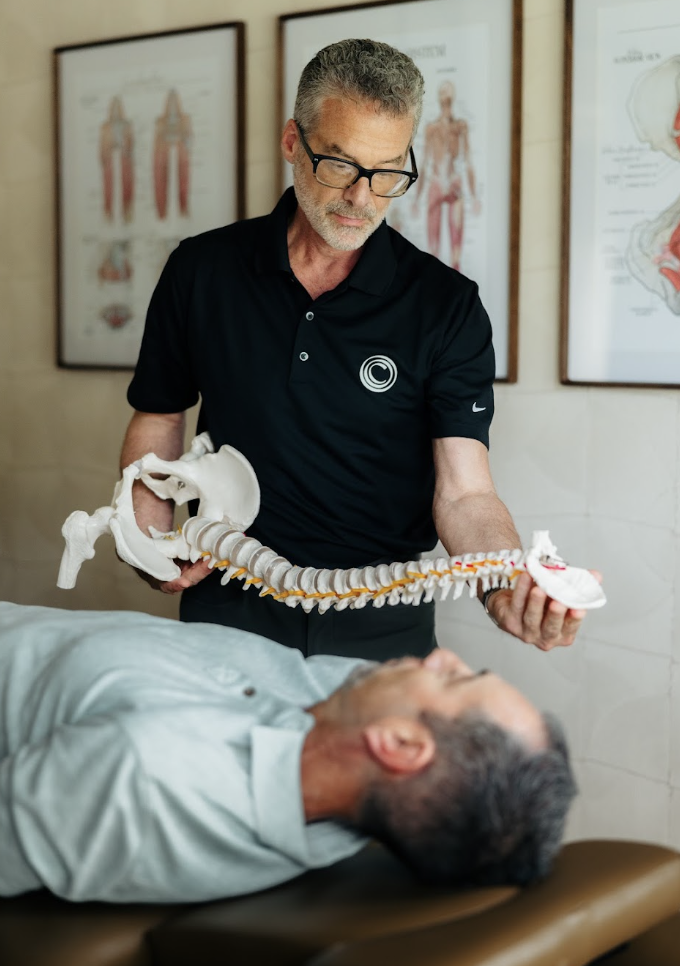
Myofascial Release (MFR) is a gentle, hands-on technique that targets the fascia — the connective tissue network that surrounds and supports every muscle, organ, and nerve in the body. When fascia becomes restricted from injury, surgery, inflammation, or chronic stress, it can create pain, tension, and limited movement that often radiate far from the original source.
At Centerline, we use the John F. Barnes Myofascial Release Approach®, a therapeutic method that applies slow, sustained pressure to release fascial restrictions and restore the body’s natural alignment and mobility. This work helps reduce pain, improve posture, and support functional movement patterns that last well beyond the treatment table.

a system of internal support + communication
What Is Fascia?
Fascia is a continuous web of connective tissue that integrates the entire body—from head to toe, front to back, inside and out.
It surrounds every muscle, joint, organ, and even the brain, carrying the body’s physical and emotional history, including memories of trauma or injury.
When fascia is healthy and well-hydrated, it’s fluid and adaptable, allowing muscles, joints, and nerves to move freely and without strain. But when it becomes tight, dehydrated, or adhered, it can create tension that limits movement, alters posture, and contributes to chronic pain and discomfort.
When it’s balanced, movement feels effortless. When it’s restricted, the body compensates, often leading to pain or dysfunction in areas far from the root cause.
Chronic pelvic or back pain
Post-surgical scar tissue and adhesions
Fibromyalgia or myofascial pain syndrome
Postural imbalances + restricted movement
Tension headaches or TMJ dysfunction
Abdominal or visceral tightness
Pain or dysfunction associated with bladder, bowel, or reproductive systems
How Myofascial Release Works
Unlike traditional massage, Myofascial Release isn’t about applying pressure or force.
The therapist uses gentle, sustained holds—typically lasting at least five minutes—giving the fascia time to soften, elongate, and release at its own pace. This slow, responsive approach allows the body to unwind deeply held tension patterns and restore its natural alignment and mobility.
Over time, these releases produce measurable changes in flexibility, posture, and range of motion.
Research shows that restoring fascial mobility can reduce pain, improve functional movement, and enhance overall body alignment. Clients frequently report a sense of balance and ease that extends well beyond the treatment session.


Myofascial Release can be beneficial for a wide range of conditions, including:
Can MFR Support You?
Chronic pelvic or back pain
Post-surgical scar tissue and adhesions
Fibromyalgia or myofascial pain syndrome
Postural imbalances + restricted movement
Tension headaches or TMJ dysfunction
Abdominal or visceral tightness
Pain or dysfunction associated with bladder, bowel, or reproductive systems

returning your natural stability
Integrating MFR Into a Broader System of Care
Myofascial Release at Centerline is part of a whole-body strategy, restoring balance, mobility, and alignment across the body’s connective network. Your session may also include pelvic floor therapy, targeted massage, or guided movement via our pilates and yoga classes to support lasting relief and restore functional harmony. By combining these approaches, we treat not just the site of restriction, but the patterns that create it.
Related reading: The Mind–Body Connection: How Stress Shows Up in the Pelvic Floor