
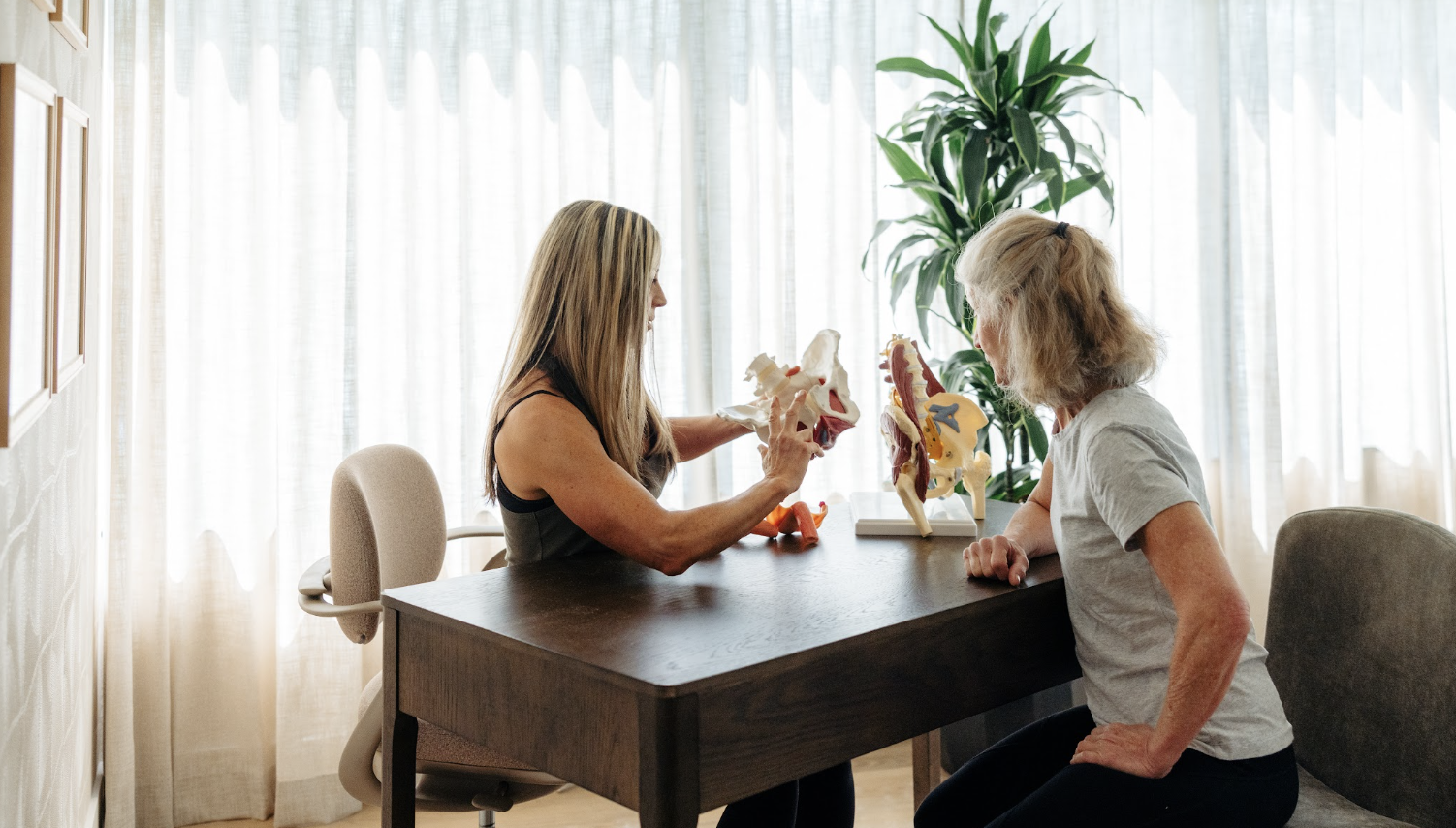
Pelvic Floor Therapy
HOLISTIC CARE FOR THE PELVIC FLOOR + SURROUNDING SYSTEMS
Pelvic Floor Therapy
Pelvic Floor Conditions We Treat
We care for men, women, and children using a whole-person, biopsychosocial approach, recognizing that pelvic health is shaped not just by muscles, but also by breath, posture, stress, habits, and the demands of daily life. By understanding how the pelvic floor connects with the abdomen, hips, spine, nervous system, and fascia, we are able to uncover the root of your symptoms and create a personalized plan.
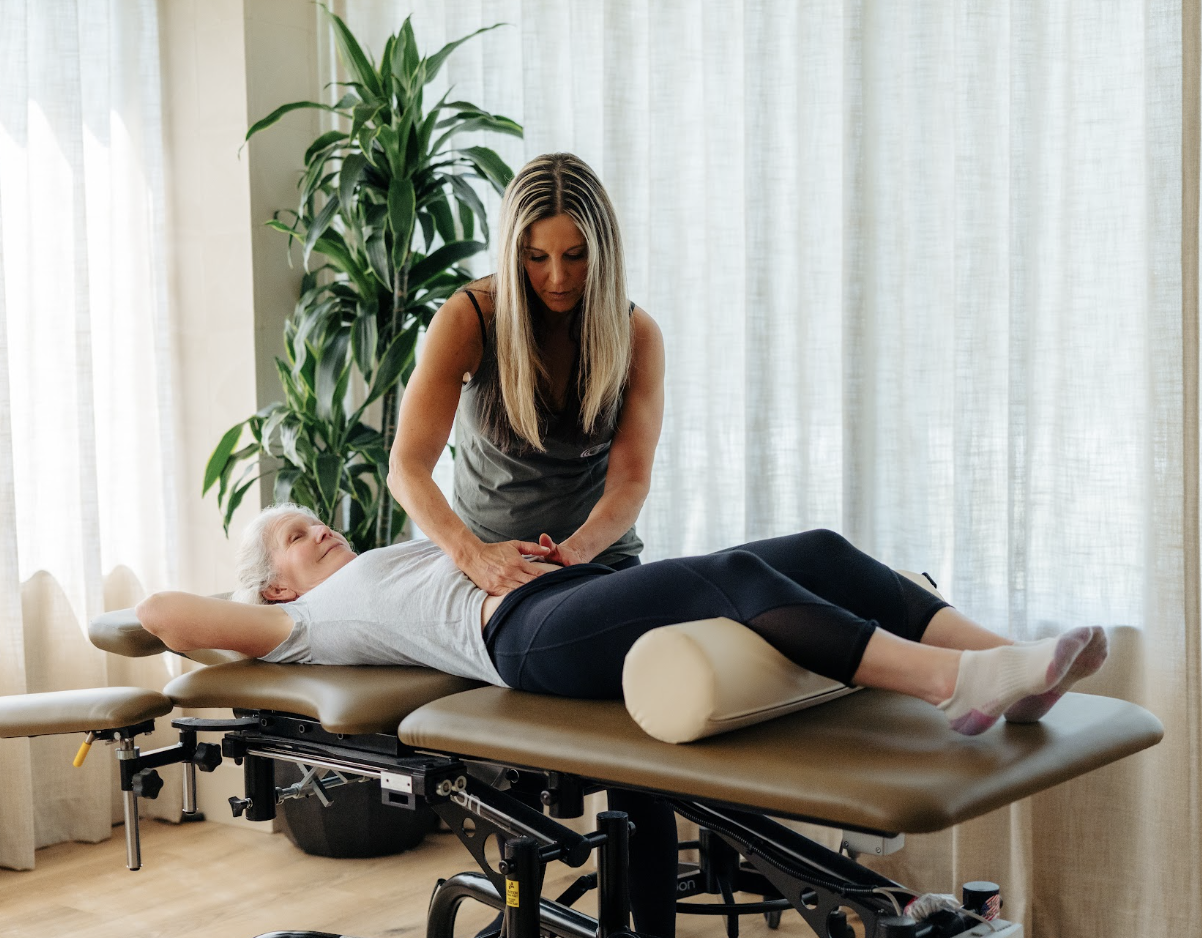
Pelvic Pain
Many people come to Centerline after months, or even years, of searching for answers. We offer a fresh perspective: the body is an interconnected system, and the pelvis sits at its center. Many have:
- Seen multiple providers
- Tried medication or imaging
- Lost clarity and don’t know where to turn next
-
Chronic pelvic pain syndrome (CPPS)
Dyspareunia (pain with intercourse)
Vulvodynia / vestibulodynia
Pudendal neuralgia (nerve irritation or compression)
Coccydynia (tailbone pain)
Post-surgical pain (hysterectomy, excision surgery for endometriosis, vasectomy, prostatectomy)
Menstrual pain and pelvic pain related to endometriosis (women)
Lumbopelvic pain (pain through the lower back, hips, and pelvis)
Testicular, penile, or perineal pain (men)
Hard-Flaccid Syndrome (men)
Chronic Nonbacterial Prostatitis (men)
Pelvic or abdominal pain related to muscle tension or fascial restriction
When one area is out of balance, it can affect everything, from posture and breath to digestion and emotional well-being. Pelvic pain can affect anyone and may feel like burning, aching, or hypersensitivity in the perineum, rectum, lower abdomen, vulva or vagina. For women, it may relate to tension, scar tissue, or conditions such as vulvodynia, endometriosis, or postpartum recovery. For men, it often involves pelvic floor muscle tension, prostatitis-like symptoms, or post-surgical changes. Whether the pain is localized or widespread, our approach begins with listening and understanding. We evaluate how your pelvic floor muscles, fascia, connective tissue, nerves, and lymphatics work together with the rest of your body and its systems, then build a plan to relieve restriction, reduce pain, and restore comfort and confidence.
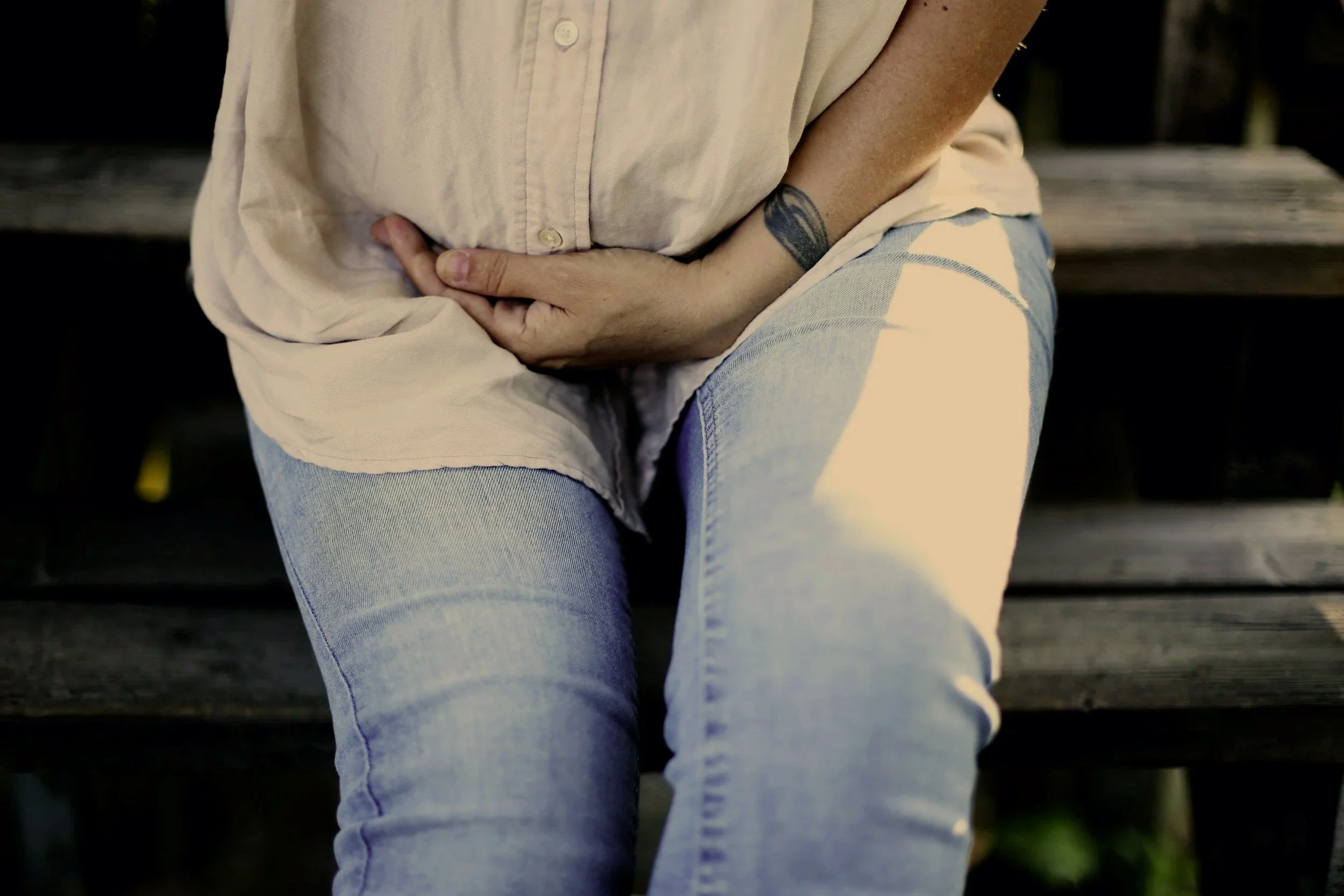
Bladder Dysfunction
Bladder dysfunction is often linked with other pelvic floor disorders such as vulvodynia or post-prostatectomy changes. This can disrupt even simple routines and interfere with daily and social activities. There are many possible causes, including childbirth, menopause, orthopedic injuries, certain medications, urinary tract infections, and constipation.
-
Stress urinary incontinence — leaking urine with exertion such as coughing, sneezing, laughing, or exercise
Urge urinary incontinence — leaking urine involuntarily following a sudden, strong urge to urinate
Mixed urinary incontinence — combination of stress + urge symptoms
Urinary urgency (without a full bladder)
Urinary frequency / Overactive bladder (OAB)
Post-prostatectomy incontinence (men)
Urinary hesitancy or retention
Nocturia (waking multiple times at night to urinate)
Interstitial Cystitis / Painful Bladder Syndrome
Urethral or bladder pain
Climacturia — leaking urine during orgasm (men)
Chronic Non-Bacterial Prostatitis (men)
Bladder leakage is extremely common, but it's often underestimated in men and normalized for women as "just part of aging or post-pregnancy." This can lead to people not seeking help, when, in reality, bladder dysfunction can be treated. Whether you experience unexpected leaks or plan your day around access to bathrooms, pelvic floor physical therapy can significantly improve your comfort, control, and quality of life.
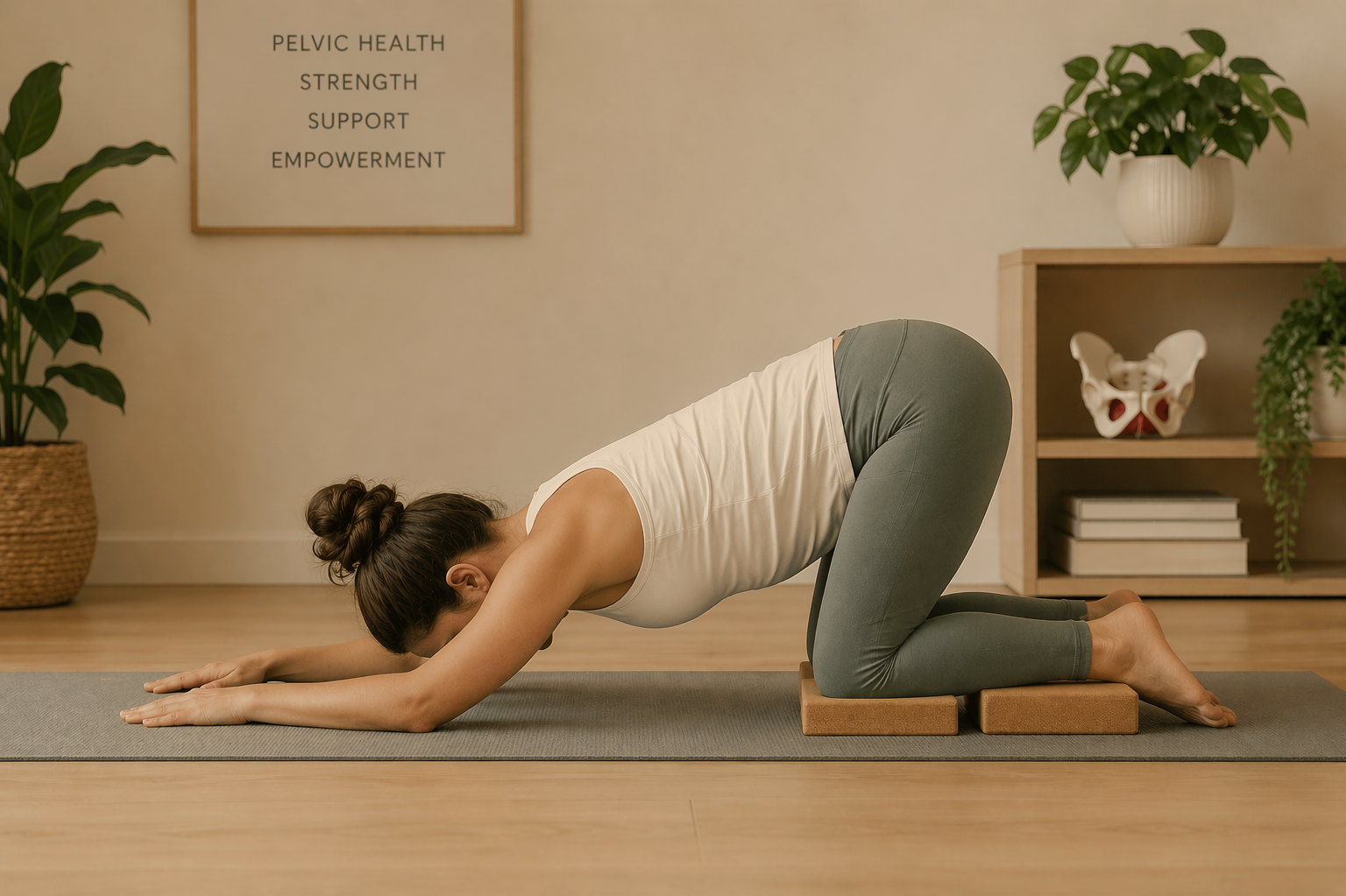
Pelvic Organ Prolapse
Pelvic organ prolapse (POP) occurs when the organs of the pelvis shift downward due to weakened or stretched support structures. In women, this often involves the bladder, urethra, uterus, or rectum pressing into or through the vaginal walls. In men, prolapse typically appears as rectal prolapse or pelvic floor descent, which can cause pelvic pressure, difficulty with bowel movements, or a sense of heaviness or bulging.
-
Urethrocele
Cystocele
Rectocele
Enterocele
Rectal Prolapse
Pelvic heaviness or pressure, especially after standing or exercise
A feeling of “something falling” or “bulging” in the vagina or rectum
Difficulty emptying the bladder or bowels
Low-back or pelvic ache that worsens later in the day
Bladder or bowel urgency
Incontinence (urine or fecal)
Difficulty emptying bladder or bowel
Frequency bladder infections
Pelvic pain
Dyspareunia (painful intercourse)
Nocturia (frequent nighttime urination)
Common contributing factors include genetics, difficult vaginal deliveries, menopause, obesity, hysterectomy, and age-related changes to the pelvic floor and surrounding tissues. While some cases may require surgical repair, pelvic floor physical therapy plays a critical role in both prevention, management and recovery. Learning how to move, breathe, and exercise properly helps reduce pressure on the pelvic floor and improve long-term support. For those preparing for surgery, pre-surgical strengthening and education can make recovery smoother and more successful. With the right care and tools, many people are able to manage or prevent prolapse progression.
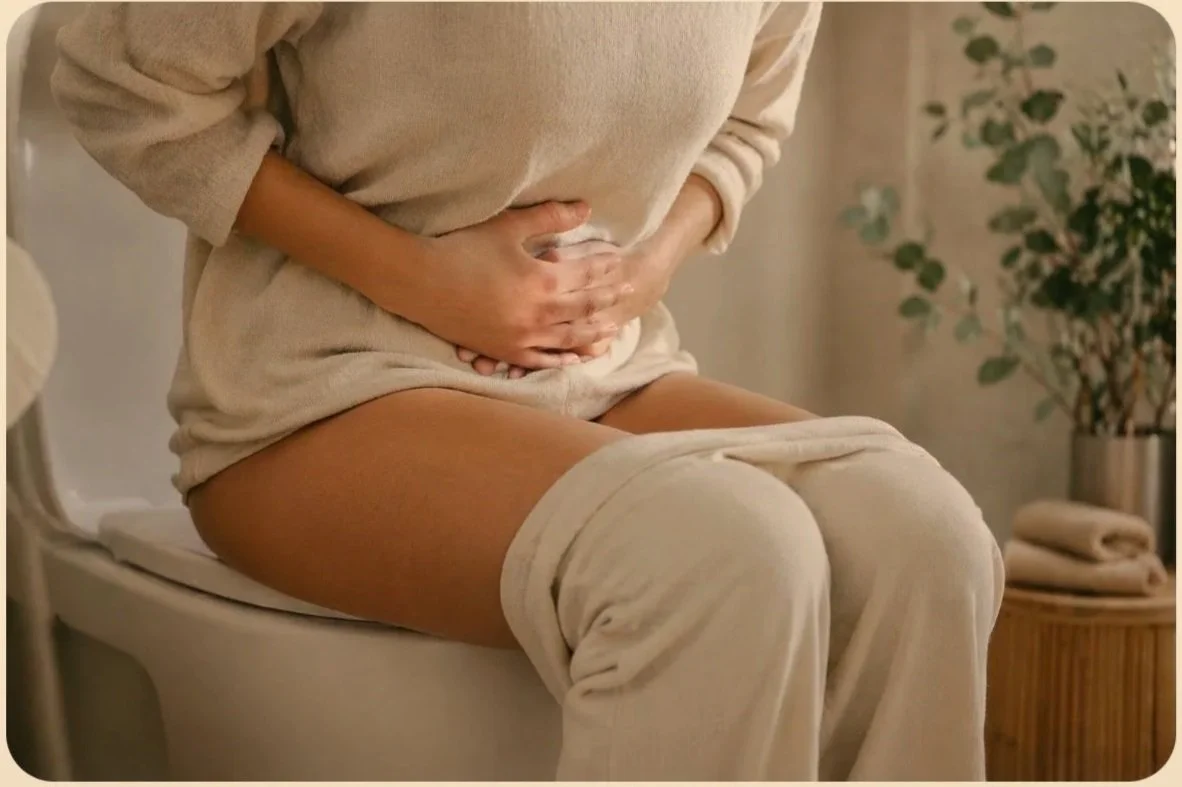
Bowel Dysfunction
Bowel dysfunction and gastrointestinal issues are very common in the United States. Healthy bowel function relies on coordination between the abdominal muscles, diaphragm, and pelvic floor. The pelvic floor muscles help maintain continence by keeping us from leaking gas or stool, while the anal sphincter reflexively detects whether gas, liquid, or stool is present and signals the pelvic floor to respond appropriately.
-
Constipation or incomplete evacuation
Hemorrhoids, Fissures
Pain before, during or after bowel movements
Anal/rectal pain, burning or itching
Fecal incontinence/Encopresis
IBS-constipation/Diarrhea
Abdominal bloating
When that coordination is disrupted, symptoms such as constipation, straining, incomplete emptying, or leakage can occur. Contributing factors may include certain medications, pelvic floor muscle tightness or weakness, dyssynergia (poor muscle coordination), irritable bowel syndrome (IBS), small intestinal bacterial overgrowth (SIBO), Crohn’s disease, or ulcerative colitis.
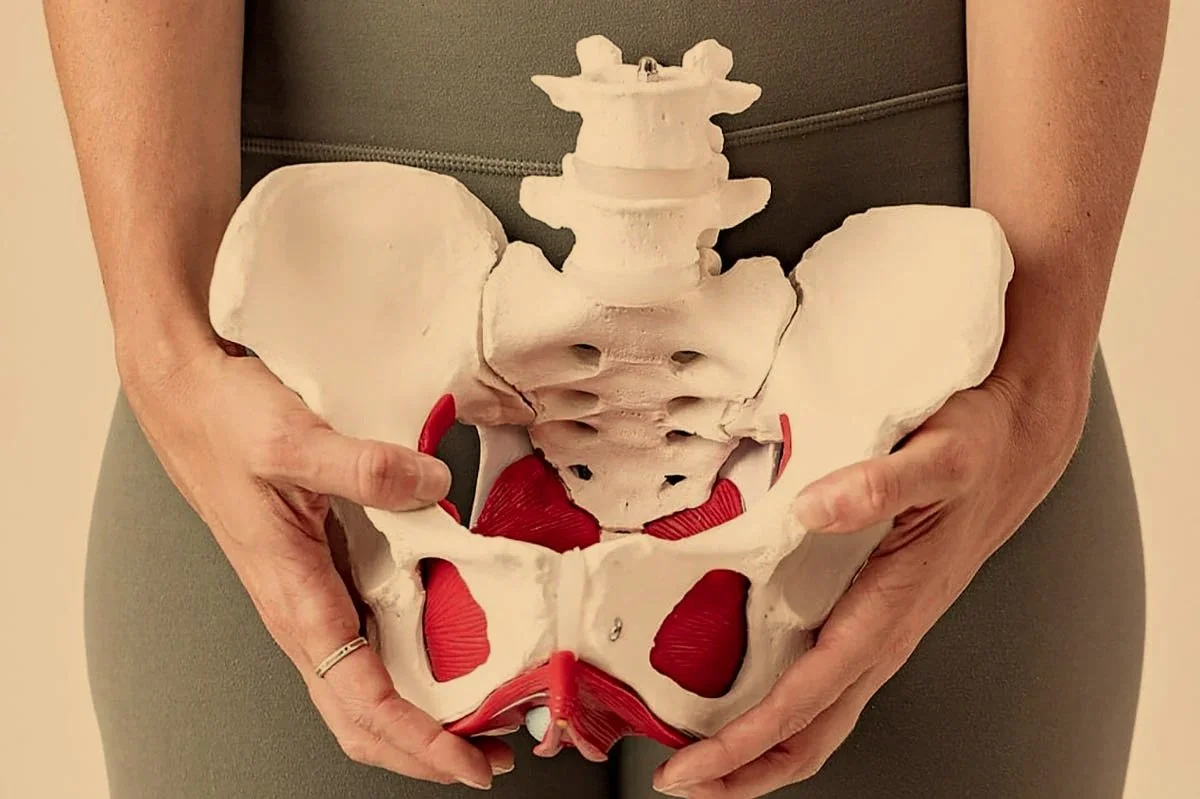
Sexual Health & Function
Sexual function is influenced by the pelvic floor muscles, hormones, circulation, nervous system, and even nutrition and exercise. The pelvic floor plays a key role in sexual response, contracting during orgasm and supporting arousal for both men and women. In men, these muscles help maintain erection and help ejaculation; in women, they support comfort, sensation, and blood flow. Factors such as childbirth, menopause, surgery, medications, cardiovascular conditions, or tissue strain can all contribute to dysfunction.
-
Pain with intercourse (dyspareunia)
Clitoral pain
Inability to orgasm, diminished orgasm
Urinary incontinence during sexual activity
Vaginismus (involuntary pelvic floor muscle spasm)
Vulvodynia or vestibulodynia (vulvar pain)
Erectile Dysfunction - poor quality, inability to achieve, inability to maintain
Ejaculatory dysfunction -pain, decreased or inability
Decreased pelvic floor strength or sensation
Post-prostatectomy or post-surgical sexual dysfunction
Post -Partum Sexual dysfunction
Menopause Sexual dysfunction
Pelvic tension or pain related to trauma or stress
With the right assessment and treatment, pelvic floor physical therapy can improve awareness, coordination, and strength, helping restore natural, pain-free sexual function. At Centerline, we approach sexual health with empathy, clinical expertise, and clear communication to help you understand what’s happening in your body and restore comfort and confidence.
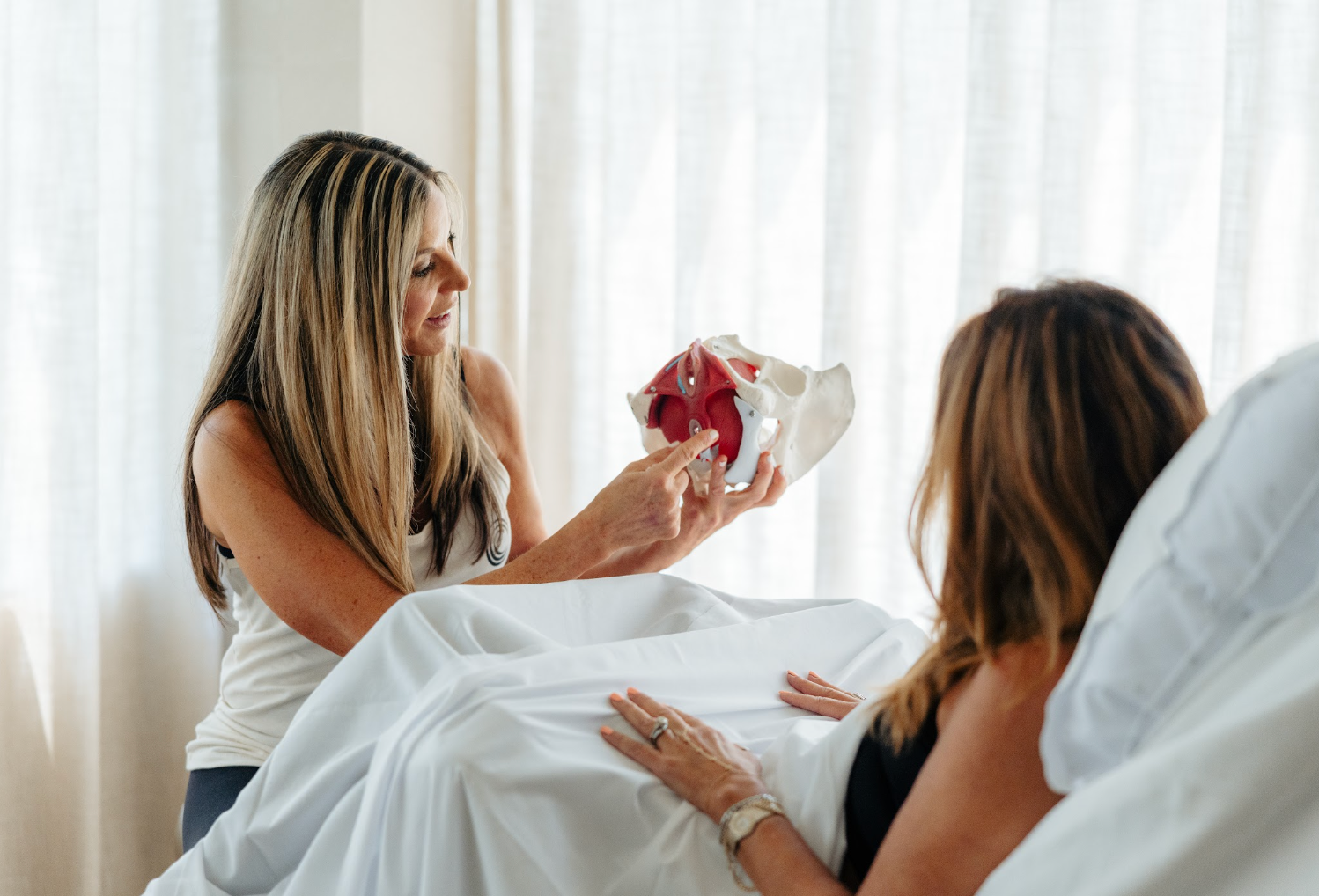
Pre + Post-Natal Support
Pregnancy and childbirth bring extraordinary changes to the body, especially the pelvic floor. As the body adapts to pregnancy, the muscles, ligaments, connective tissues, and fascia stretch to support the growing baby, while the pelvis and surrounding joints adjust in ways that can affect strength, balance, and comfort throughout the core. At Centerline, we help people navigate every stage of this process with confidence, education, and care.
-
Pelvic or lumbopelvic pain
Pubic Symphysis Pain / Separation
Diastis Recti
Sacro-iliac joint, hip and back
Sciatic pain
Pelvic floor tightness or discomfort after delivery
Bladder or Bowel issues
Pain with intercourse (postpartum dyspareunia)
Cesarean section scar restrictions
Perineal tearing
Prolapse
Infertility
Labor and Delivery Prep
Pelvic floor physical therapy supports recovery not only after birth, but also after difficult or traumatic pregnancies, deliveries, or loss. Gentle, skilled touch and bodywork can help calm the nervous system, release stored tension, and reconnect you with your body in a safe, supportive way. Therapy can ease pain during pregnancy, support smoother labor and delivery, and reduce the risk of postpartum complications. Afterward, it helps restore fascial mobility and symmetry, strength, mobility, and stability, addressing issues such as pelvic pain, incontinence, or core weakness. Whether you’re preparing for delivery, healing after birth, or processing recovery months (or years) later, our goal is to help you feel grounded, supported, and reconnected to your center. Many patients tell us they only wish they’d started sooner.
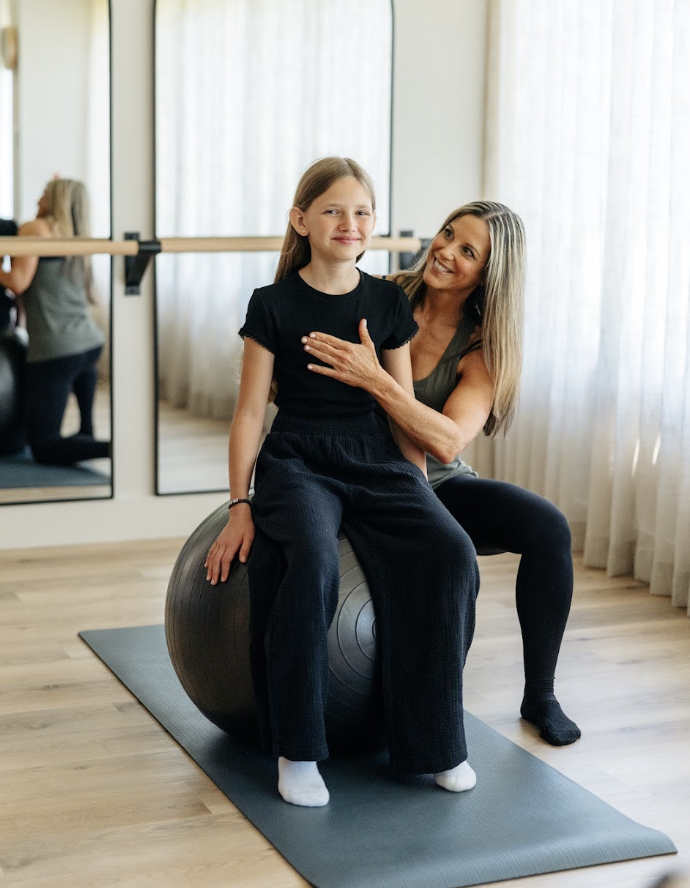
Pediatric & Adolescent Pelvic Health
Children and teens can experience pelvic health challenges, too. Many children struggle with bladder and bowel dysfunction — issues such as constipation or bedwetting that can affect confidence and family routines. Families often come to Centerline after trying medical or behavioral approaches that haven’t fully resolved the problem. As children grow into adolescents, new challenges can arise. Hormonal shifts, menstrual changes, posture, and stress can all influence pelvic health, leading to discomfort, pain, or irregularity. For teens, this is an important time to understand their bodies, develop healthy movement and bathroom habits, and learn self-awareness without embarrassment or stigma.
-
Constipation
Encopresis
Nocturnal Enuresis
Overactive Bladder
Urgency/frequency
Daytime urinary leakage (diurnal enuresis)
Withholding or difficulty recognizing body cues
Pelvic or abdominal pain
Menstrual pain, Endometriosis
We offer a fresh, age-appropriate approach that focuses on education, coordination, and healthy lifelong habits. Sessions are private, respectful, and tailored to each child’s or teen’s comfort level, helping them build confidence and body awareness.
Connection
-
Effective Relief
-
Strength
-
Whole-Body Healing
-
Connection - Effective Relief - Strength - Whole-Body Healing -

Hear From Our Incredible Clients
Within the first session, Amy connected pieces no one else had noticed.
“I came to Centerline after seeing multiple providers with no answers. The way she integrates the pelvic floor with posture, breath, and movement has completely changed my body, and my confidence.”